
Why Madrid Rent Is What It Is Right Now
Madrid rent is high because the city has changed faster than its housing supply.
People didn’t suddenly become rich. Apartments didn’t magically improve.
Demand simply exploded.
You feel it the moment you start searching.
Listings disappear in hours. “Renovated” often means painted. And anything with light, an elevator, or gas heating gets 40 messages in the first hour.
There’s also a truth almost nobody says out loud: Madrid apartments vary more in quality than in price.
A dark interior flat in Lavapiés may cost the same as a bright exterior flat in Delicias. A fourth floor with no elevator might cost the same as a renovated second floor with one.
This is why averages online feel fake.
They blend together apartments that do not belong in the same universe.
So here is the real version, the version you only learn after renting in Madrid.
Real Rent Prices in Madrid (2025 Snapshot)
Ranges based on recurring listings on Idealista, Fotocasa and Enalquiler throughout 2024–2025. These should be re-checked before publication.
Quick note about the M-30
In Madrid, the M-30 ring road is a mental border. Inside it, rent is higher, buildings are older, and everything is more walkable. Outside it, rent drops, flats get bigger, and life is calmer. Both sides have pros, it just depends on what you want.
Studios / 1-Bedrooms
850–1,150 € in central districts
Usually small (25–40 m²), recently renovated, but not always well insulated. Most “renovations” are cosmetic: new floors, painted walls, maybe a modern-looking kitchen.
700–900 € in mid-range neighborhoods
Better value. You often get a bit more space (35–45 m²), a calmer street, and sometimes an elevator.
600–750 € further out or in older, unrenovated buildings
Space is bigger, but systems are older, electric radiators, older windows, and lower energy efficiency.
-
Below 900 € inside the M-30 is possible, but the trade-offs are real:
almost always interior
often no elevator
older plumbing and wiring
low natural light
thin windows (street noise or courtyard noise)
electric radiators → higher winter bills
kitchens with two burners and mini-fridges
showers so small you can’t lift your arms comfortably
-
These matter way more in Madrid than the listing makes it seem:
Orientation (south-facing = warm/light, north-facing = cold/dark)
Shower pressure (older buildings vary massively)
Windows (single pane vs. double → noise + heat)
Humidity smell (very common in interior flats)
Kitchen ventilation (studios get stuffy fast)
Heating type (gas caldera saves you a lot)
Actual usable storage (Madrid studios hide storage badly)
-
Here’s the real trade-off:
Centro: walk everywhere, beautiful streets, zero quiet
Mid-range (Delicias, Opañel, Tetuán): calmer, bigger space, better sleep
Outer areas: more light, better layouts, less “Madrid postcard” feeling
2-Bedrooms
1,100–1,600 € in central districts
Think 45–65 m², often renovated, but layouts can be strange: long hallways, narrow bedrooms, or living rooms the size of a closet. Many are technically “2 bedrooms” but only one fits a double bed.
950–1,200 € in mid-range neighborhoods
Best value in the city. More livable spaces (55–75 m²), better storage, and often quieter.
800–1,000 € in Usera, Carabanchel, Vallecas, and outer areas
Family-sized apartments (70–90 m²). Older buildings, but more space and natural light.
-
Most 2-bedrooms in Madrid are not designed for two equal adults.
One bedroom is “de matrimonio.”
The other is often:
tiny
interior
a converted dining room
fits only a single bed or desk
If you’re sharing with a friend, this creates tension fast.
-
Not space, usually it’s:
the neighborhood “vibe”
renovated floors and white walls
a new-looking kitchen that may still hide old pipes
walkability
But expect:
thin walls
noisy neighbors
tourist noise (Centro/La Latina)
older building structures under the renovation
-
Delicias, Opañel, Lucero, Tetuán, Arganzuela →
You get:
bigger living rooms
elevators (more common)
better heating systems
calmer streets
-
More space.
More light.
Less stress.
Same metro lines.
Just fewer cafés and concept bakeries.
This is where many long-term Madrid residents end up.
-
Does the second room fit a double bed?
Are both bedrooms legit? (not a converted dining room)
How many interior patios does the flat face?
Where is the laundry machine? (often in the kitchen or bathroom)
Condition of radiators (many old ones leak)
Sound insulation between rooms (very relevant for couples)
Storage, Madrid closets can be tiny
3–4 Bedrooms
1,600–2,400 € in central or fully renovated buildings
Families, colocas, and remote workers compete heavily for these. Space is good, but layouts can be quirky.
1,300–1,700 € in mid-range neighborhoods
65–100 m², elevators more common, better plumbing, quieter streets.
1,000–1,350 € in outer districts
Huge apartments (90–120+ m²), older builds but very spacious.
-
The bigger the flat, the older the:
gas heater
plumbing
wiring
windows
-
Madrid loves:
service rooms
converted storage rooms
rooms without proper windows
Great for a home office, not for an adult human.
-
A large 100m² flat with electric radiators can hit 200–350 €/month in winter.
Gas caldera = much more manageable.
-
Especially among:
international families
remote workers
groups of young professionals
If it’s renovated and has light, it’s gone in hours.
-
Rooms in Chamberí/Salamanca often cost:
550–750 € per room, even in older flats
utilities often +50–80 €
Paying per room ends up being more expensive than renting the whole flat as a couple or family.
-
Are all bedrooms legal bedrooms with windows?
How old is the caldera (gas heating unit)?
Are community fees included?
Water pressure in bathrooms — larger flats depend on old pipes.
Is the building insulated?
How many neighbors per floor? (noise factor)
Where is the storage? (larger flats sometimes lack built-in wardrobes)
Rent Prices by Neighborhood
Below are realistic ranges, plus the lived experience that doesn’t show in the listings.
Centro
Malasaña – 1,100–1,600 €
Trendy, renovated, young.
Also loud, especially on weekends.
Most buildings are from the early 1900s, which means:
thin walls
tiny elevators or none at all
beautiful façades, chaotic plumbing
top floors get great light, lower floors stay dark
If you want cafés and vintage shops outside your door, it’s perfect.
If you’re sensitive to noise, it’s not.
Lavapiés – 900–1,300 €
Cheaper on paper, but many flats are interior and small.
Renovated units look beautiful online but can feel humid in winter.
What to expect:
lots of ground-floor and interior units
older buildings with unpredictable layouts
strong community feel
great food scene
very limited elevator availability
In summer, the narrow streets stay cooler.
In winter, they stay darker.
La Latina – 1,000–1,400 €
Exterior balconies are dreamy until you discover everyone goes out for drinks directly under your window.
Beautiful streets, louder nights.
Local truths:
apartments tend to be small but charming
lots of 3rd–4th floor walk-ups
quiet Monday–Thursday, chaotic Friday–Sunday
best light in plazas or wider streets
If you like terraces and tapas and don’t mind noise, it’s a dream.
If you need silence to sleep, look elsewhere.
Sol / Gran Vía – 1,200–1,900 €
Tourist-heavy.
You’re paying for the center-of-the-center location, not comfort.
Daily reality:
very bright exteriors, very dark interiors
the highest street noise in Madrid
excellent transit connections
buildings vary from luxury to extremely old
You walk everywhere.
You also hear everything.
Chamberí – 1,200–1,900 €
One of Madrid’s most beloved districts.
Renovated buildings, calmer streets, and a very “grown-up Madrid” feel.
Expect:
better sound insulation
bigger kitchens
elevators in most buildings
gas heating in many flats
families + young professionals
It’s one of the few areas where you consistently get what you pay for.
If you want comfort + calm + walkability, this is it.
Salamanca – 1,400–2,400 €
Upscale, polished, and structured.
Luxury buildings, doormen, tree-lined streets.
Realities:
renovated interiors
predictable quality
quieter nights
high prices (not always matched by flat size)
many short-term corporate rentals
Great if you value stability and quiet classiness.
Not great if nightlife or budget matters.
Retiro – 1,200–1,800 €
Residential, peaceful, and close to the park.
Loved by families and long-term residents.
Expect:
clean streets
elevators in most buildings
apartment sizes bigger than Centro
very safe area
calm nightlife
The park changes everything, morning runs, picnics, sun.
A strong option for people who want balance.
Chamartín – 1,100–1,700 €
Corporate district.
Quiet, structured, and practical.
Realities:
good quality buildings
strong insulation
gas heating common
wider streets
a blend of older locals + professionals
Think: comfort, supermarkets, calm evenings.
Not trendy, but extremely livable.
Tetuán – 900–1,300 €
A very mixed district.
Some streets feel like bargains.
Some feel overpriced.
Some feel like small-town Spain.
Some feel like mini-Chinatown.
Expect:
old buildings + newly renovated pockets
big variation street to street
good light in many flats
decent prices inside M-30
Best for people who don’t care about “prestige” and want value + convenience.
Be selective by street.
Carabanchel – 750–1,050 €
Bigger flats, older buildings, real neighborhood feel.
Daily realities:
more space for your money
older heating systems
less polished streets
calmer than central districts
very Spanish, very local
Great for people on a budget who want space over location aesthetics.
Vallecas – 700–1,000 €
Functional, honest, and community-oriented.
Expect:
large flats
excellent metro access (L1, L9)
older buildings but decent light
strong neighborhood personality
better value than almost anywhere inside M-30
Perfect if you don’t need the “Madrid postcard experience” and want room to breathe.
Usera – 700–1,050 €
Affordable, multicultural, busy.
Realities:
older interiors
many small, interior rooms
great food culture
active, lively streets
more humidity in older flats
One of the best districts for saving money while staying well-connected.
Just be selective about the exact street.
| Neighborhood | Noise | Light | Build | Elevators | Value | Vibe | Best For |
|---|---|---|---|---|---|---|---|
| Malasaña | High (weekends) | Medium (narrow) | Old + renovated | Rare | Medium | Young, lively | 20–35 yrs, creatives |
| Lavapiés | Medium | Low–Medium | Uneven, old | Rare | High | Affordable, diverse | Students, budget |
| La Latina | Medium–High (weekends) | Medium–High | Charming façades | Many walk-ups | Medium | Tapas-heavy, historic | Couples, weekend people |
| Sol / Gran Vía | Very High | High exterior, low interior | Mixed: old & modern | Mixed | Low | Touristic, central | Short-term, city lovers |
| Chamberí | Low–Medium | High (wide streets) | Good–very good | Common | Medium–Low | Calm, elegant | Young professionals |
| Salamanca | Low | High | High-quality, doormen | Very common | Low | Upscale, polished | Executives, long-term |
| Retiro | Low | High | Good quality | Common | Medium | Residential, quiet | Families, lifestyle renters |
| Chamartín | Low | Medium–High | Good quality | Common | Medium | Structured, calm | Professionals, commuters |
| Tetuán | Medium | Medium–High | Mixed (by street) | Mixed | High | Urban, diverse | Budget-conscious, remote |
| Carabanchel | Low–Medium | Medium | Older buildings | Mixed | Very High | Local, calm | Budget renters |
| Vallecas | Low–Medium | Medium–High | Older, spacious | Mixed | Very High | Community vibe | Families, budget |
| Usera | Medium | Medium | Older interiors | Mixed | Very High | Multicultural | Convenient renters |
Malasaña
What Affects Rent the Most
1. Building Age
Older Madrid buildings (pre-1970) can be charming, high ceilings, wooden beams, tiled floors, but they often come with:
poor insulation
humidity in winter
older pipes
uneven floors
thin interior walls
A “renovation” might mean new floors + white paint, not new wiring or new windows.
Always ask which year the last major renovation was done (and whether it included plumbing or electrical).
2. Orientation (La orientación lo es todo)
Light is everything in Madrid, especially in winter.
South-facing: warm, bright, lowest heating costs
East-facing: great morning sun
West-facing: warm afternoons but can get hot in summer
North-facing: cooler, dimmer, sometimes damp
Interior patios can be surprisingly bright, or feel like you’re inside a shoebox.
Visit at the time of day you’ll actually be home.
3. Elevator (Ascensor)
No elevator = cheaper rent.
But also:
difficult if you move furniture
bad if you have heavy groceries
harder in the summer heat
painful if you work from home and barely go out
Fourth or fifth-floor walk-ups are normal in Centro, but think long-term comfort, not just price.
4. Heating System (Affects Your Monthly Bills a LOT)
Gas individual (caldera): cheapest and most efficient
Electric radiators: expensive in winter, expect 120–250 € bills
Central heating: reliable, included in community fees, warm homes
Heat pump/AC: great in moderate weather, pricey in extreme cold
Always check:
the model and age of the caldera
the type of radiator
whether community heating is included
A “cheap” flat can become expensive fast if the heating is electric.
5. Furnished vs Unfurnished (Spain-style)
“Unfurnished” in Spain can literally mean:
no lamps
no fridge
no oven
no washing machine
no curtains
no storage
Budget 300–800 € to get the basics.
Fully furnished flats vary from IKEA-minimalist to “Spanish grandma museum.”
If aesthetics matter, confirm exactly what stays and what goes.
6. Sound Insulation (Madrid is noisy)
Noise is a real factor in daily life:
bar terraces
scooters
late-night conversations
interior neighbors moving furniture
old wooden floors creaking
Double-pane windows (climalit) make a huge difference.
So does choosing a street that isn’t a nightlife corridor.
A quiet street in Lavapiés is quieter than a loud street in Salamanca.
It all depends on the exact micro-location.
7. Renovation Quality (Not all “reformados” are equal)
Many flats are “renovated” for the listing photos:
humidity painted over
cheap laminate floors
poor waterproofing
ventilation issues
tiny kitchen appliances
new-looking bathroom hiding old pipes
Look behind furniture for humidity.
Check window frames for leaks.
Turn on taps to check pressure.
A real renovation should include:
new windows
updated plumbing
new electrical system
modern radiators
proper insulation
Anything else is mostly cosmetic.
Read more
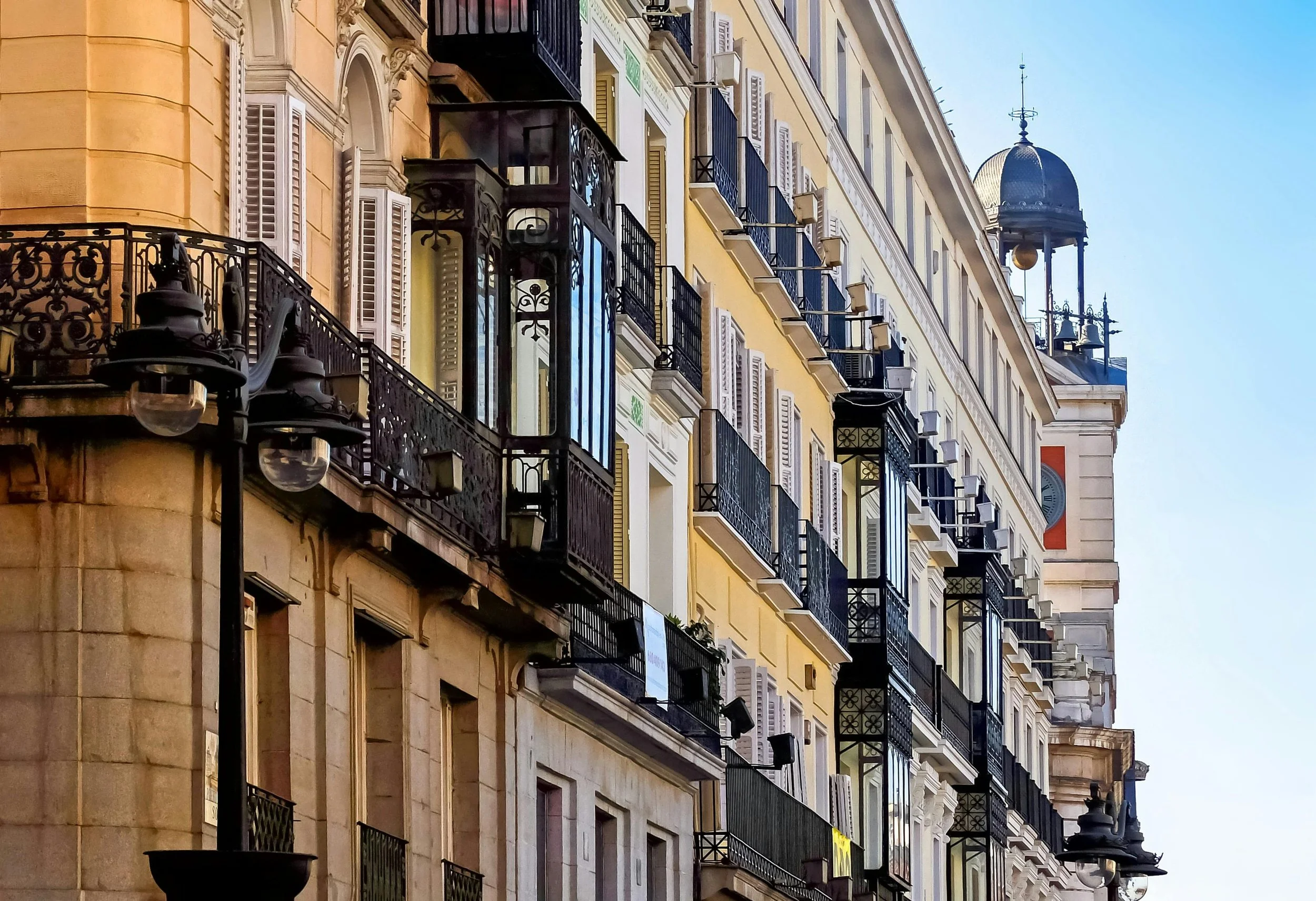

A frank, up-to-date look at what renting in Madrid really costs, with numbers you can actually use when you start hunting.