
Where Expats Actually Live in Madrid (and Why)
Forget what the travel blogs say. Here’s what it’s actually like to live in Madrid, and where people really land.
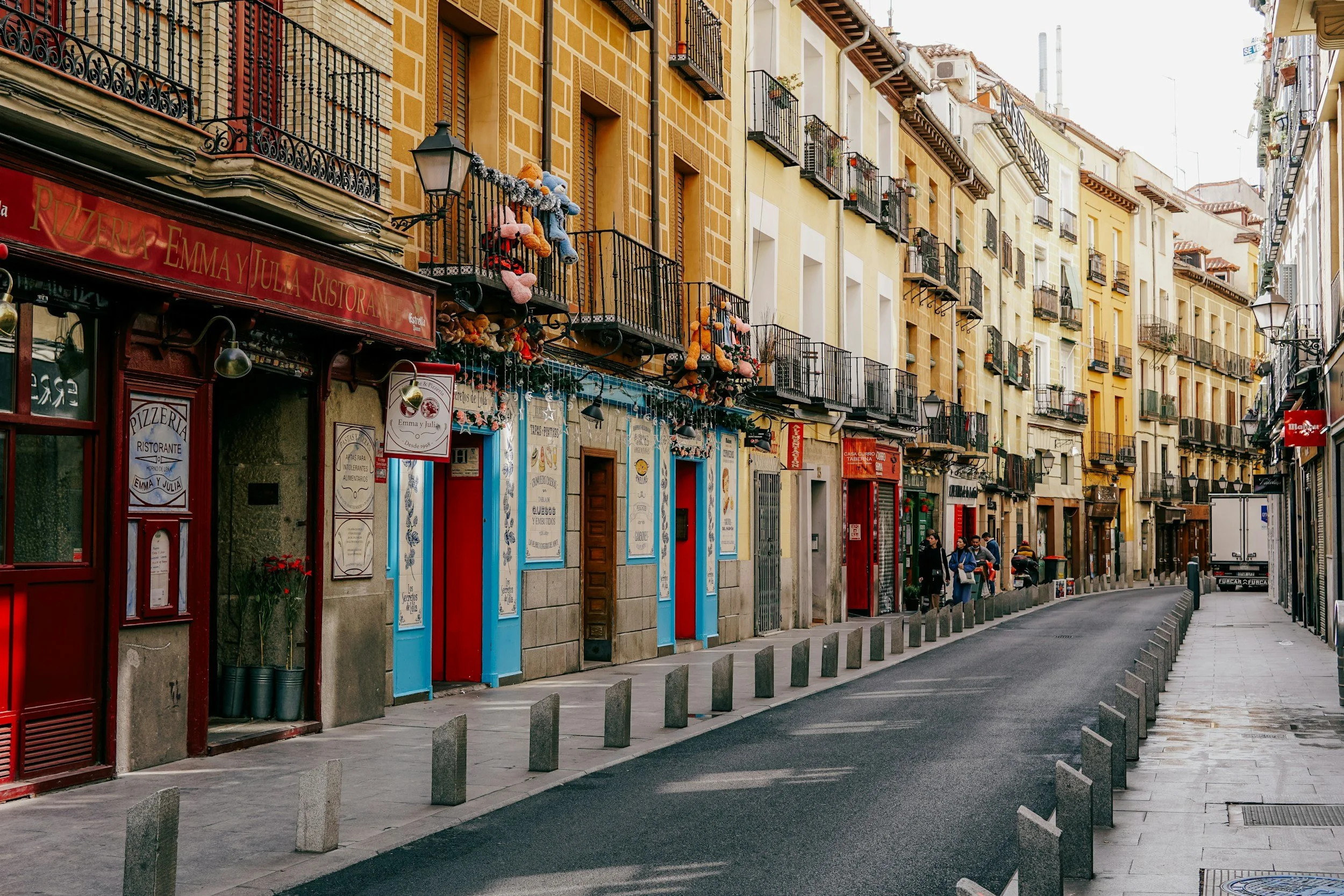
Madrid isn’t one city, it’s dozens of small worlds stitched together by metro lines, coffee smells, and late sunsets. Whether you’re here for a few months or a few years, choosing the right neighborhood will shape your day-to-day life more than almost anything else.
This isn’t a ranking, it’s an honest look at what each area feels like, who actually lives there, and what you can expect for your budget.
1. Chamberí, The Calm, Classic Choice
🧭 Vibe
Elegant, residential, quietly proud. Chamberí feels like the Madrid locals never left, classic façades, family-run cafés, and slow mornings that stretch into the afternoon.
👥 Who Lives Here
Spanish families, young professionals, and freelancers. You’ll hear more Spanish than English, which can feel grounding or isolating depending on your stage of life.
💛 Why People Love It
Grand buildings, calm energy, and a sense of permanence. Bakeries that have existed for decades, parks full of kids, and a true neighborhood rhythm. You can walk to Sol in 25 minutes, or take Metro Line 1 (Iglesia → Sol in about 9 minutes).
⚖️ The Real Side
Rent is steep for what you get €1,300–€1,700 for a 40–60 m² one-bedroom, €650–€850 for a room. Many apartments are older, with dated plumbing, limited insulation, and no elevator. Nightlife is low-key; most socializing happens over tapas or vermouth.
🗣️ Local Voice
“It’s peaceful and beautiful, but it took me months to meet people. Now I wouldn’t live anywhere else.”
💶 Average Rent
1-bed: €1,300–€1,700 | Room: €650–€850
🚇 Getting Around
Metro lines 1, 2, 4, 7 (Bilbao, Quevedo, Canal). 25 min walk to Gran Vía, ~20 min to the airport via Nuevos Ministerios.
☕ Local Favorites
Toma Café Olavide (specialty coffee, calm vibe),
La Vaquería Montañesa (farm-to-table brunch),
Café de Ruiz (vintage café with old-school charm),
✅ Good For
Calm energy, long-term life, remote work.
2. Malasaña, The Cool, Chaotic Core
🧭 Vibe
Bohemian, creative, and slightly unhinged. Malasaña is full of vintage stores, vegan cafés, and late-night bars that spill onto the streets.
👥 Who Lives Here
Students, artists, and freelancers who like being in the middle of it all.
💛 Why People Love It
It’s walkable, social, and full of energy. You’re 10 minutes from Gran Vía, 15 from Chueca, and surrounded by small boutiques and record stores.
⚖️ The Real Side
Apartments are tiny (25–45 m²) and not cheap, €1,100–€1,500 for a one-bedroom, €600–€850 for a room. Street noise is constant, and nightlife never really ends.
🗣️ Local Voice
“You’ll either fall in love with Malasaña or burn out after six months. There’s no in-between.”
💶 Average Rent
1-bed: €1,100–€1,500 | Room: €600–€850
🚇 Getting Around
Metro 1, 10 (Tribunal), 2 (Noviciado).
☕ Local Favorites
Toma Café (the OG specialty spot), HanSo Café (minimalist and always packed), La Bicicleta Café (coworking + chill), Ojalá (quirky underground sand bar).
✅ Good For
Short stays, creative people, social life.
3. Lavapiés, The Gritty, Global Heart
🧭 Vibe
Colorful, loud, and alive. Lavapiés is one of Madrid’s most multicultural neighborhoods, a mix of immigrants, artists, and long-time locals.
👥 Who Lives Here
NGO workers, creative expats, and people who like imperfection.
💛 Why People Love It
It’s raw and authentic. You’ll find food from every continent, small art spaces, and a feeling that you’re part of something real. Sol is a 10-minute walk away, and Atocha 7 minutes.
⚖️ The Real Side
Old buildings, uneven streets, and the occasional late-night chaos. But the rent is still manageable, €1,000–€1,300 for a one-bedroom (30–50 m²), €500–€750 for a room.
🗣️ Local Voice
“Lavapiés is messy, but it’s home. Everyone belongs here, somehow.”
💶 Average Rent
1-bed: €1,000–€1,300 | Room: €500–€750
🚇 Getting Around
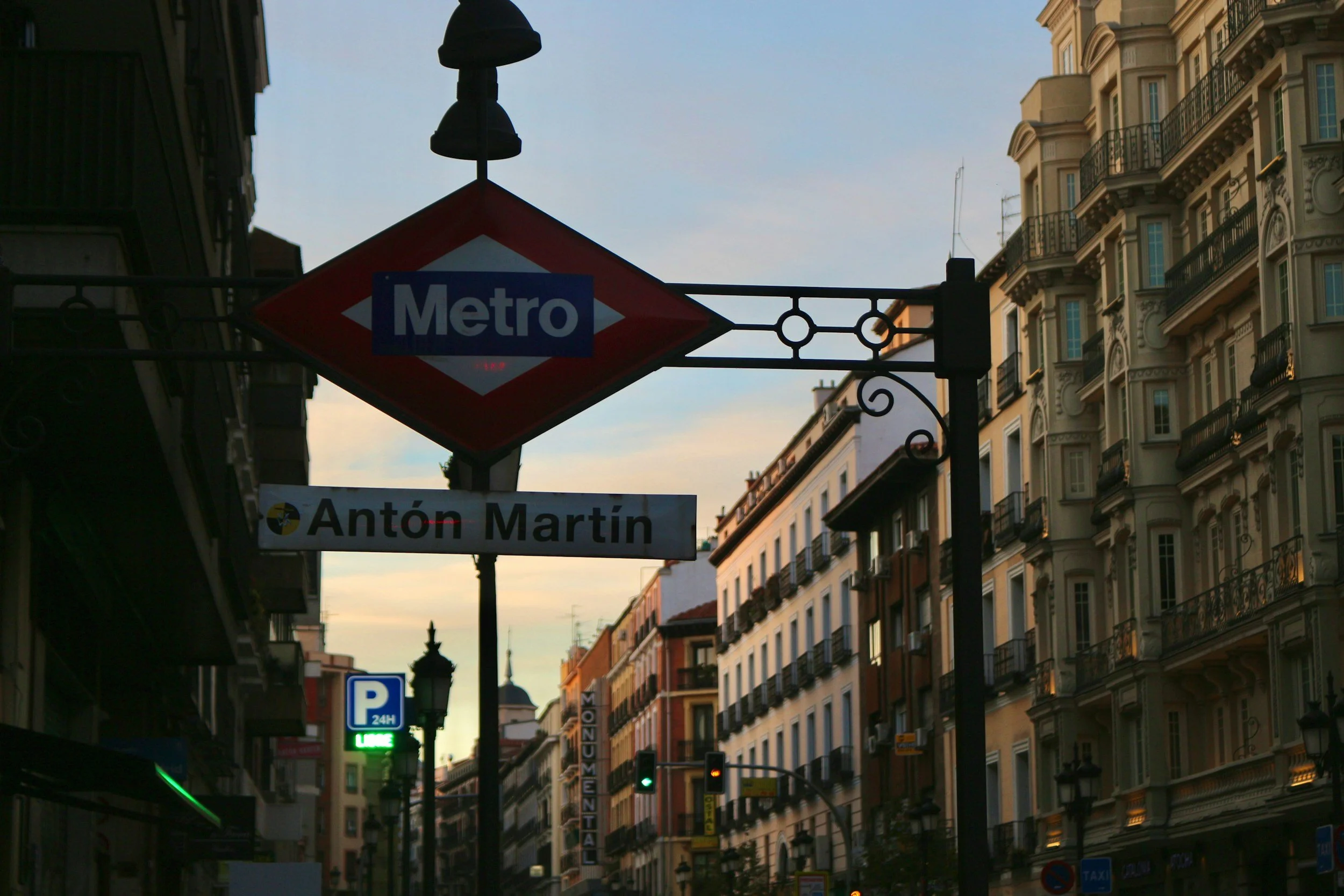
Metro 3 (Lavapiés), 1 (Antón Martín).
☕ Local Favorites
Cafelito (beloved local café with plants and soul), El Sur (comfort Spanish food), La Tabacalera (community art space), Mercado de San Fernando (local food and wine stalls).
✅ Good For
Community lovers, creatives, food explorers.

4. Salamanca, The Polished, Elegant Side
🧭 Vibe
Refined, quiet, and spotless. Salamanca is Madrid’s high-end heart — designer shops, leafy boulevards, and beautiful apartments behind old façades.
👥 Who Lives Here
Diplomats, executives, and families who like calm and security.
💛 Why People Love It
Everything looks and feels premium — from the architecture to the cafés. You’re next to Retiro Park, and everything is walkable.
⚖️ The Real Side
Expensive and slightly disconnected from “real Madrid life.” Expect €1,800–€2,800 for a 50–80 m² one-bedroom, €800–€1,100 for a room.
🗣️ Local Voice
“It’s perfect — maybe too perfect. Sometimes it feels like a museum.”
💶 Average Rent
1-bed: €1,800–€2,800 | Room: €800–€1,100
🚇 Getting Around
Metro 2 & 4 (Goya, Serrano, Velázquez).
☕ Local Favorites
Motteau (French-style bakery perfection), Babel Café (cozy, underrated), Café Murillo (near Retiro’s northern edge), El Paraguas (classic fine dining).
✅ Good For
Comfort, quiet, families, long-term professionals.
5. La Latina, The Classic, Lively Heart
🧭 Vibe
Historic, cinematic, and filled with tapas bars. Cobbled streets, church bells, and sunsets over rooftops.
👥 Who Lives Here
Expats, long-term locals, and anyone drawn to the charm of “old Madrid.”
💛 Why People Love It
You’re surrounded by terraces and life. Everything feels like a movie. Sol is 12 minutes away.
⚖️ The Real Side
Tiny apartments (25–45 m²) and weekend crowds. Rents hover around €1,100–€1,500 for a 1-bed, €600–€800 for a room.
🗣️ Local Voice
“If you live here, Sunday means tapas at El Rastro. It’s not optional.”
💶 Average Rent
1-bed: €1,100–€1,500 | Room: €600–€800
🚇 Getting Around
Metro 5 (La Latina), 1 (Tirso de Molina).
☕ Local Favorites
Juana La Loca (the best tortilla), Casa Lucio (historic, touristy but worth it once), Mad Café (burgers + craft beer), El Viajero (iconic rooftop view).
✅ Good For
Social people, short-term stays, tapas lovers.
6. Delicias, The Quiet, Practical Corner
🧭 Vibe
Local, grounded, and a little underrated. Delicias doesn’t try to be trendy — it just works.
👥 Who Lives Here
Families, students, and newcomers looking for more space without central prices.
💛 Why People Love It
Close to Atocha, Matadero Madrid, and Madrid Río. Rents are moderate, €1,000–€1,400 for a 1-bed, €500–€700 for a room, and apartments are bigger than average.
⚖️ The Real Side
Low on nightlife, but calm and safe. Fewer English speakers, which can be a plus if you’re learning Spanish.
🗣️ Local Voice
“It’s not glamorous, but it’s real life — affordable, peaceful, and easy.”
💶 Average Rent
1-bed: €1,000–€1,400 | Room: €500–€700
🚇 Getting Around
Metro 3 & 6 (Delicias, Legazpi).
☕ Local Favorites
La Caña de Azúcar (Peruvian fusion), Café del Río (with a view over Madrid Río), Matadero Madrid’s Cantina (creative, artsy food spot), El Brillante (classic calamari sandwich by Atocha).
✅ Good For
Long-term expats, families, anyone on a budget.
7. Carabanchel — The Up-and-Coming Edge
🧭 Vibe
Creative and still a bit raw. Carabanchel is where artists, remote workers, and long-time locals share space (and rent).
👥 Who Lives Here
Artists, freelancers, young families, and LatAm expats.
💛 Why People Love It
You get more for your money — €1,000–€1,400 for 60–90 m², €450–€650 for a room. It’s spacious, friendly, and growing fast.
⚖️ The Real Side
Still uneven, construction, mixed safety, and long metro rides. English is rare, and amenities vary by block. You’ll get authenticity, but not convenience.
💶 Average Rent
1-bed €900–€1,200 | Room €400–€600
🚇 Getting Around
Metro 5, 6, 11 (Urgel, Oporto, Carabanchel). 25–35 min to Gran Vía.
☕ Local Favorites
Pan Delirio, Café del Art, Casa Pepe, La Pradera de San Isidro.
✅ Good For
Budget living, local feel, creatives.
8. Retiro, The Peaceful, Green Escape
🧭 Vibe
Leafy, calm, and family-oriented. Everything seems to slow down near Retiro Park.
👥 Who Lives Here
Families, retirees, and professionals who want serenity within the city.
💛 Why People Love It
Access to Retiro Park, wide streets, and elegant old flats. Perfect balance between central and residential life.
⚖️ The Real Side
Expensive and competitive, apartments near the park go fast. It can feel too quiet if you’re young or single. Nightlife is minimal.
💶 Average Rent
1-bed €1,400–€1,900 | Room €650–€850
🚇 Getting Around
Metro 2 (Retiro), 9 (Ibiza), 6 (Sainz de Baranda). Easy access to Salamanca and Centro.
☕ Local Favorites
La Rollerie Ibiza, Maison Kayser, El Perro y la Galleta, Café Murillo.
✅ Good For
Peaceful life, families, nature lovers.
How to Pick What Works for You
Neighborhoods in Madrid are like coffee shops, pretty is great, but what really matters is how it makes you feel.
Ask yourself:
How far am I willing to commute?
Do I want English around me or full immersion?
What actually fits my budget (not just on paper)?
Do I feel safe walking home at night?
Do I want buzz, or peace?
You don’t have to get it perfect the first time. Most people move once or twice.
The first spot is your launchpad, not your forever home.
Moving to Madrid? Here’s What Helps
Tools expats swear by:
Wise — To transfer money, pay deposits, and avoid bank drama
Revolut — To manage EUR + home currency at once
Amazon ES — For SIM cards, home goods, heaters (trust us)
Spotahome — To get housing sorted before you arrive
Notion Moving Kit: Paperwork + housing checklist in one clean file
Final Thought
Where you live shapes how you experience this city, the noise you wake up to, the faces you pass, the rhythm of your days.
Pick a barrio that fits your actual life, not just your fantasy of Spain.
And if it doesn’t work? Move. That’s the beauty of it.
Sources & Transparency
We believe in sharing real, up-to-date information, not guesses or SEO fluff.
Everything here is based on public listings and lived experience.
Last updated: November 2025
Sources:
Idealista — average rent data
Numbeo — cost-of-living index
Local contributor interviews + on-the-ground research
If something feels outdated or you’ve lived it yourself, tell us. Share your story →

A frank, up-to-date look at what renting in Madrid really costs, with numbers you can actually use when you start hunting.