
Why Choosing the Right Barrio Matters
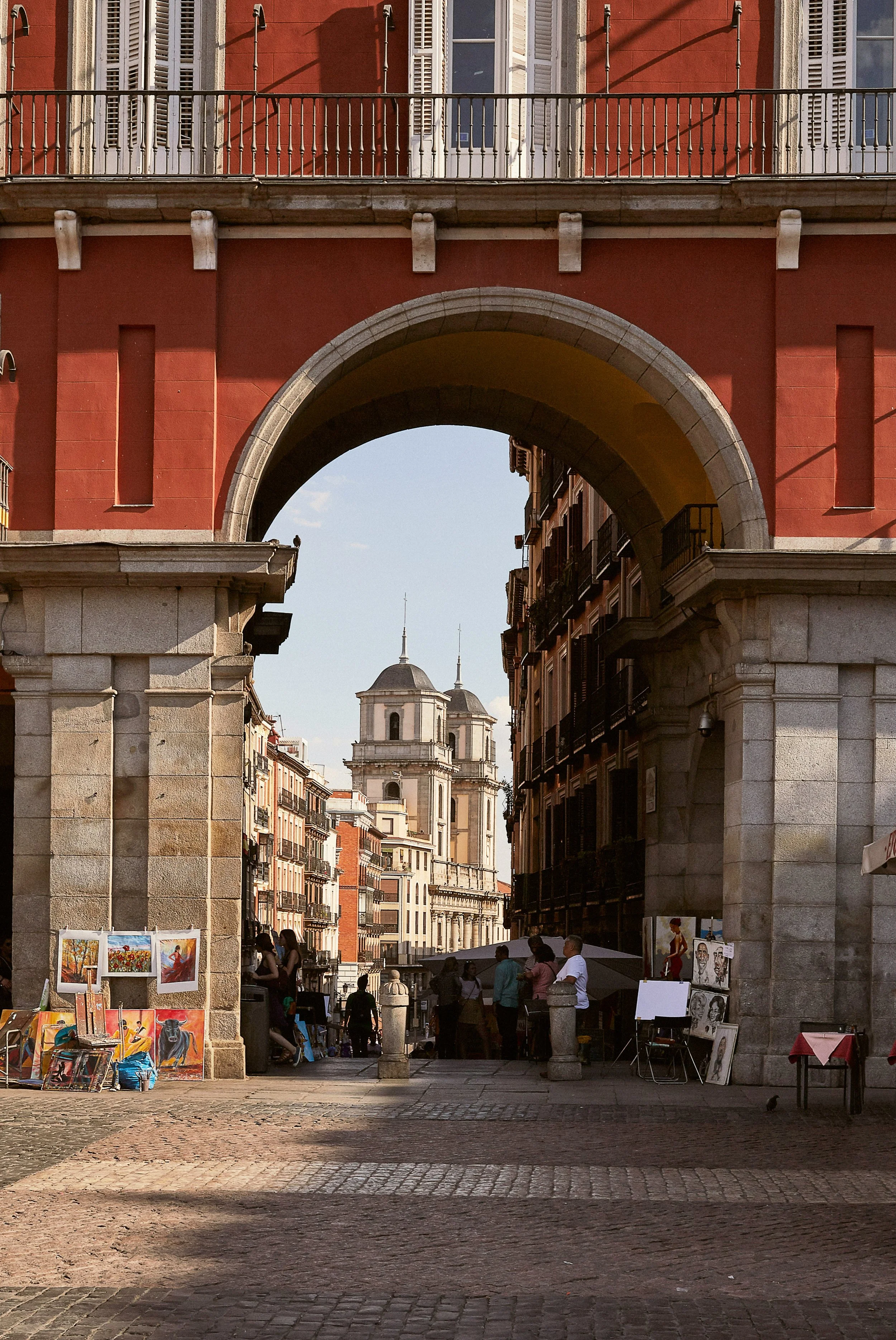
Madrid is a big, warm, chaotic, beautiful city.
But every neighborhood has its own personality.
Some feel like a quiet village inside the city.
Some feel like New York on a Saturday night.
Some feel perfect online, then loud, expensive, or inconvenient in real life.
For expats, where you live shapes your entire first year.
Your stress levels. Your commute. Your budget. Your social life.
Most people moving here want the same things: safety, convenience, a reasonable price, and a neighborhood that actually feels like home. Let’s break down what helps you get there.
How to Choose Your Ideal Neighborhood
Your commute
Madrid’s metro is excellent, but 40 minutes twice a day adds up fast.
Map your real commute, not the “Google Maps at 11 p.m.” version.
Budget vs. space
In Madrid, you usually choose between:
Location
Space
Price
You can pick two. Rarely three.
Noise sensitivity
Madrid is loud.
Some barrios are much louder than others.
If noise bothers you, avoid ground-floor apartments and streets with bars.
Lifestyle match
Parks, coffee shops, nightlife, kids, dogs, older locals — every area has a vibe.
Choose the one that matches your daily rhythm, not the Instagram version.
Best Neighborhoods in Madrid for Expats (2025)
Honest, based on what expats actually experience once they live here.
Chamberí, Classic, Calm, and Close to Everything
Daily feel:
Elegant streets, older locals, lots of families, and some of the best cafés in the city. It feels safe, tidy, and calm, even though it’s central.
Who it’s for:
Expats who want Madrid, not chaos.
Rent range (2024–2025 listings):
1-bed: approx. €1,200–€1,600
2-bed: approx. €1,700–€2,200
Pros:
Very safe
Walkable
Great cafés and restaurants
Central but not loud
Cons:
Higher prices
Hard to find availability
Salamanca, Clean, Safe, and Polished
Daily feel:
Wide streets, high-end shops, perfectly kept buildings. Very international, very organized.
Who it’s for:
People who like structure, safety, and quiet, and don’t mind paying for it.
Rent range:
1-bed: approx. €1,400–€1,900
2-bed: approx. €2,000–€3,000+
Pros:
One of the safest areas
Clean, quiet
Great for long-term comfort
Cons:
Expensive
Can feel less “Madrid” and more upscale bubble
Malasaña, Creative, Central, and Loud
Daily feel:
Vintage stores, young people, bars everywhere. A fun neighborhood, but expect noise.
Who it’s for:
Students, creatives, remote workers who like energy.
Rent range:
1-bed: approx. €1,150–€1,500
Studios vary widely
Pros:
Super central
Tons of cafés
Always something happening
Cons:
Loud at night
Smaller apartments
Higher chance of “surprise” noisy neighbors
Pro tip: If you love Malasaña but not the noise, live on a side street, not near Plaza Dos de Mayo.
Lavapiés, Multicultural, Affordable(ish), and Full of Life
Daily feel:
Colorful, diverse, loud, and authentically local. It has incredible food and strong community.
Who it’s for:
Open-minded expats who want culture, not polish.
Rent range:
1-bed: approx. €950–€1,300
Pros:
One of the more affordable central areas
Amazing food
Strong community feel
Cons:
Not the quietest
Some streets feel less polished at night
La Latina, Old Streets, Great Food, Weekend Energy
Daily feel:
Beautiful old buildings, tapas bars, and the famous “Sunday La Latina crowd.”
Who it’s for:
People who want classic Madrid charm and don’t mind weekend noise.
Rent range:
1-bed: approx. €1,000–€1,400
Pros:
Beautiful architecture
Great eating and social scene
Walkable
Cons:
Busy on weekends
Older buildings = thinner walls
Retiro, Calm, Residential, and Next to the Park
Daily feel:
Quiet, local, family-heavy, with the huge Parque del Retiro as your backyard.
Who it’s for:
People who want peace, stability, and nature nearby.
Rent range:
1-bed: approx. €1,200–€1,700
Pros:
Calm
Great for walking and running
Feels safe and residential
Cons:
More traditional vibe
Limited nightlife
Conde Orgaz / Arturo Soria, Suburban Feel, City Access
Daily feel:
Wide streets, larger apartments, green spaces. Feels almost like a suburb inside Madrid.
Who it’s for:
Families, professionals who want quiet, and people who need space.
Rent range:
2-bed: approx. €1,800–€2,600
Larger homes more
Pros:
Space
Quiet
Schools nearby
Cons:
Less walkable
Some areas require buses instead of metro
Getafe, Leganés, Pozuelo & Alcobendas, If You Want the Madrid Region, Not the Center
Daily feel:
Relaxed, less expensive, more space. Still well connected to the city.
Who it’s for:
Families, budget-conscious expats, people who work outside the center.
Rent range:
Varies widely: approx. €800–€1,300
Pros:
More affordable
Good value for space
Calmer living
Cons:
Longer commute
You won’t “feel” Madrid in the same way
Quick Comparison Table (2025)
| Neighborhood | Noise | Rent | Commute | Expat Comfort |
|---|---|---|---|---|
| Chamberí | Low–Medium | High | Excellent | Yes |
| Salamanca | Low | Very High | Excellent | Yes |
| Malasaña | High | Medium–High | Excellent | Mixed |
| Lavapiés | Medium–High | Medium | Excellent | Depends |
| La Latina | Medium–High | Medium | Good | Yes |
| Retiro | Low | Medium–High | Good | Yes |
| Conde Orgaz / Arturo Soria | Low | High | Medium | Yes |
| Surrounding towns | Low | Low–Medium | Depends | Yes |
Chamberí
Salamanca
Malasaña
Lavapiés
La Latina
Retiro
Conde Orgaz / Arturo Soria
Surrounding towns
Tips for Renting in Madrid (2025)
Apartments move fast. If you like one, act the same day.
Many landlords prefer nómina (local Spanish payslip).
If you’re self-employed or new in Spain, be ready to show savings.
Some agencies charge extra for “gestoría” fees.
Ask about:
natural light
building insulation
heating type (gas is cheaper)
neighbors
elevator (not obvious in older buildings)
Ground floors are colder, darker, and louder.
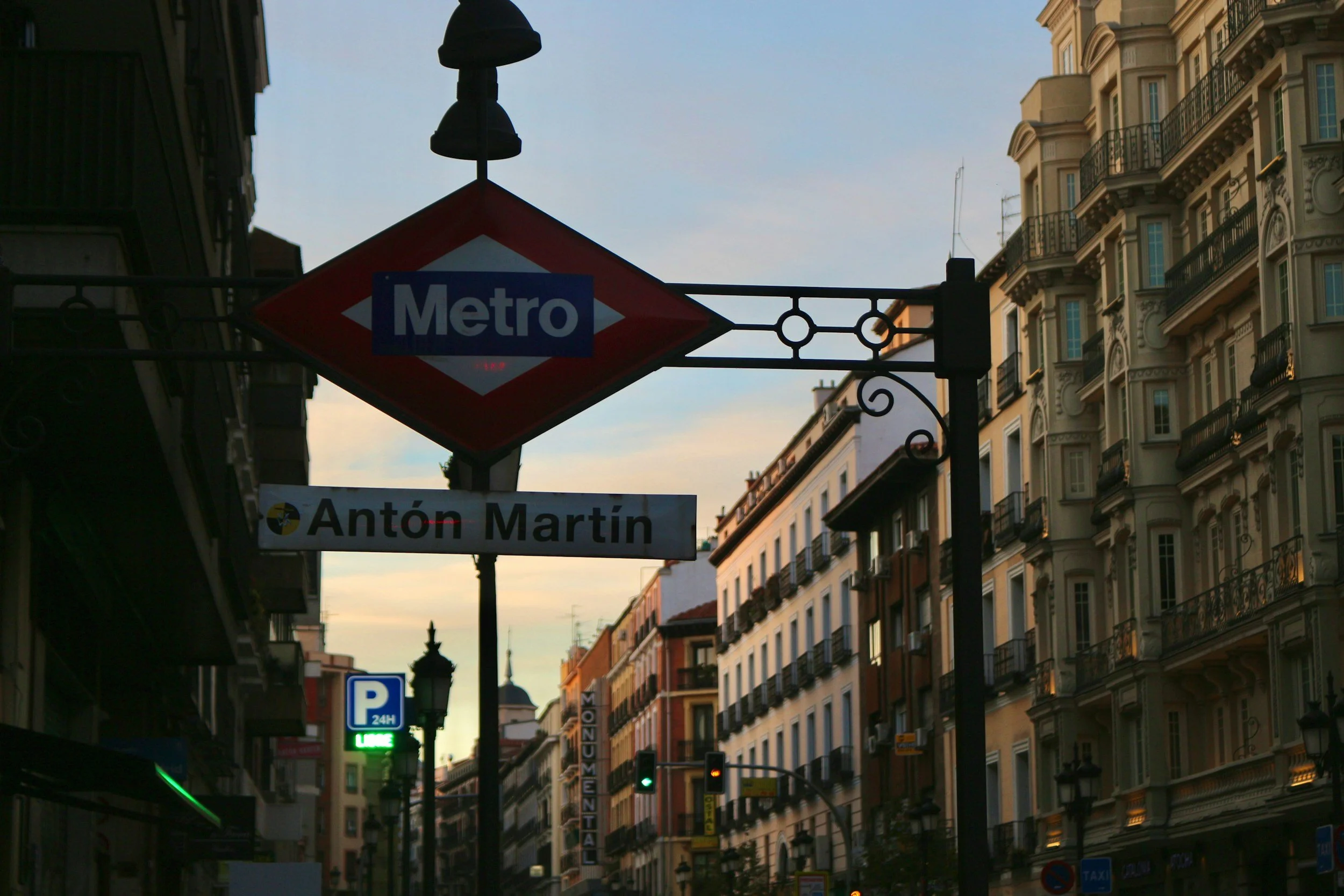
Always check Metro lines before signing.
Good to know: August is the easiest month to rent (less competition). September is the hardest (students return).
Final Thoughts
Your first neighborhood in Madrid doesn’t define your whole journey.
It just helps you land softly.
Many expats move again after six months once they understand what they value.
What matters is starting in a place where:
you feel safe
you can sleep
your budget isn’t suffocating you
and your daily life feels doable
Madrid has a place for every kind of person.
This guide helps you find yours.
SOURCES & USEFUL LINKS
Some data (like rent ranges) is based on average ranges from recent listings.
Exact numbers change monthly. Some details may require verification with the official source before publication.
Ayuntamiento de Madrid – Official info on districts and neighborhood structure
https://www.madrid.es
Idealista – Average rent ranges and current listings
INE (Instituto Nacional de Estadística) – Population and household data
El País / El Diario – Reporting on housing trends and rental market updates



A frank, up-to-date look at what renting in Madrid really costs, with numbers you can actually use when you start hunting.