
How to Make Friends in Madrid (What Actually Works, and What Usually Doesn’t)
If you’ve moved to Madrid and your life is technically “set up”, apartment, work, routines, maybe even Spanish classes, but you still feel socially untethered, you’re not imagining it.
Madrid is friendly.
But friendship here takes time, repetition, and context.
This guide is for people who are already here, trying, and wondering why it still feels hard.
Not because you’re doing it wrong.
But because no one explains how it actually works.
What This Is
This is not a list of “fun things to do in Madrid.”
This is a practical guide to building real friendships here, the kind where someone texts you first, you have inside jokes, and you don’t feel like you’re always starting from zero.
It’s based on lived experience, patterns, and what consistently works for people who end up staying.
Who This Is For (And Who It’s Not)
This is for you if:
You’ve been in Madrid more than a few weeks and still feel socially adrift
You go to things but nothing seems to stick
You’re tired of surface-level conversations that reset every time
You want friends, not just “plans”
This might not be for you if:
You already have a built-in circle (partner’s friends, long-term locals, school cohort)
You’re here very short-term and only want casual socialising
Both are valid. This article focuses on longer-term connection.
The Big Thing People Miss About Making Friends in Madrid
Here’s the part most guides don’t say:
Madrid is not a “spark city”.
It’s a familiarity city.
Friendship here usually follows this order:
Seeing someone repeatedly
Casual recognition
Small talk
Shared context
One-on-one plans
Friendship
If you skip step 1 or 2, it rarely sticks.
That’s why one-off events feel busy but empty.
Step-by-Step: What Actually Builds Friendships Here
1. Choose One Repeat Thing and Commit for a Month
Madrid rewards consistency more than enthusiasm.
Pick one thing you can show up to weekly for at least four weeks:
A class (dance, ceramics, pilates, Spanish)
A run club
Volunteering
A coworking community event
A small language exchange
Your goal is not to “meet everyone.”
Your goal is to become recognisable.
Most friendships start with:
“Oh hey, you again.”
2. Smaller Groups Beat Big Social Events (Almost Always)
Big events feel productive, but they reset every time.
Smaller groups are where names, jokes, and trust happen.
Look for:
Classes capped under 15 people
Hobby groups with the same regulars
Volunteer shifts with shared tasks
Clubs where conversation happens naturally
If you leave without learning anyone’s name, that format probably won’t build friendships.
3. Use Madrid’s Social Timing (Don’t Fight It)
Madrid doesn’t open socially early.
Friendships often grow:
After work, from 7:30 pm onward
On weekends, late lunches that stretch
In unplanned “one more drink” moments
If you expect deep connection at 6 pm sharp, you’ll feel like nothing’s happening.
This city unfolds slowly.
The Most Important Skill: The Follow-Up
This is where most people get stuck.
You have a good chat.
You leave.
Nothing happens.
That’s normal, but someone has to bridge the gap.
Low-pressure follow-ups that actually work:
“I’m grabbing a coffee near here next week if you want to join.”
“You seem to know the area, any spots you like?”
“I’m going to that class again next week, want to come?”
“I’m still new-ish here too, nice to meet someone in the same phase.”
If it feels slightly awkward, you’re doing it right.
Friendships don’t form without someone risking a tiny bit of discomfort.
Spanish vs International Friends (Honest Talk)
Many people worry they’re “only making expat friends.”
Here’s the reality:
Spanish locals often already have long-established circles
They’re friendly, but slow to integrate new people deeply
This is cultural, not personal
International friends are often:
More open to new connections
In a similar life phase
Actively looking for community
Most people build a mixed circle over time.
Don’t reject good connections just because they’re not local.
Common Problems (And What Usually Fixes Them)
“I go to things but nothing sticks”
You’re probably spreading yourself too thin.
Solution:
Pick fewer things. Go deeper. Repetition matters more than variety.
“Everyone already seems to know each other”
They probably do.
Solution:
Show up again. Familiarity breaks that barrier faster than charm.
“I feel like I’m always the one initiating”
That’s common at the start.
Solution:
If it never shifts after a few months, change environments. Not all spaces convert into friendships.
“My Spanish isn’t good enough”
Many friendships here start in mixed-language situations.
Solution:
Don’t wait for fluency. Effort matters more than accuracy
Good-to-Know Things People Learn Late
Friendship here is often slow but solid
Cancelling last minute happens, don’t take it personally
Group chats are social currency, getting added matters
Showing up tired is better than not showing up at all
One good friend beats ten acquaintances
Sources & Transparency
This guide is based on lived experience in Madrid and patterns observed across expats, students, freelancers, and long-term residents.
Where useful, it overlaps with:
Community groups
Language exchanges
Volunteer organisations
Classes and coworking spaces
Social life varies by neighbourhood, age, and lifestyle.
If something feels different for you, that’s normal.
If you notice something has changed or improved, Spain Insider Hub welcomes updates.
No Pressure
If this feels harder than you expected, it doesn’t mean you’re failing.
Madrid doesn’t rush friendship.
But when it arrives, it tends to stay.
You’re not behind.
You’re just in the middle of it.
And that’s usually where the good stuff starts.
Read more
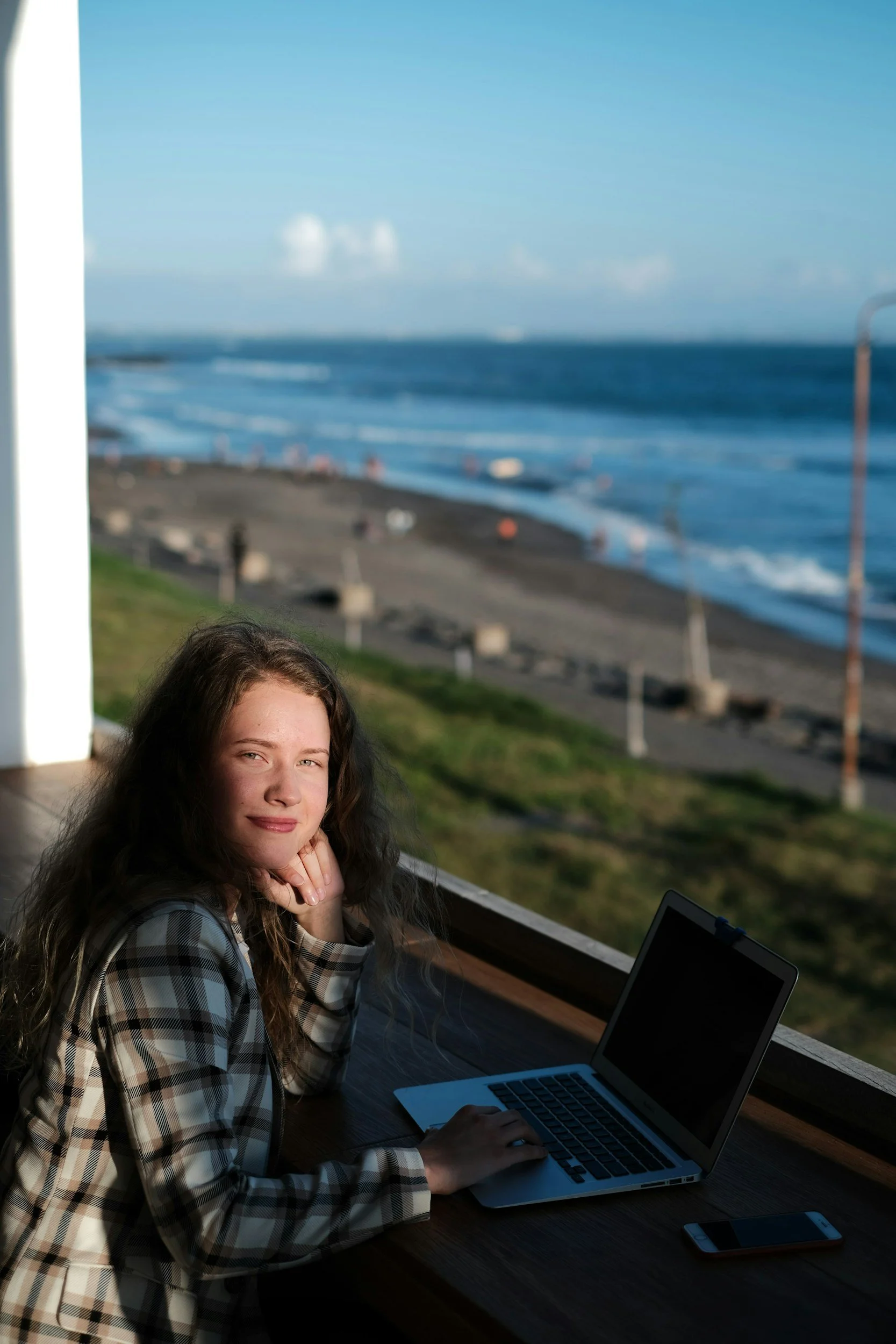




Living in Spain without Spanish is possible, but it’s rarely comfortable. This is the honest language guide no one gives you, what actually matters, what doesn’t, and how people really learn to belong.