
Language in Spain, Everything You’re Too Afraid to Ask
The moment you realize English won’t save you
It usually happens at a counter.
A form slides toward you.
Someone explains something, fast, confidently.
You wait for the pause where they switch to English.
They don’t.
You nod. You smile.
Inside, you’re thinking, I should’ve learned Spanish earlier.
If you’ve had that moment, this article is for you.
This is the conversation most of us wish we’d had before moving.
The question everyone asks, but no one answers honestly
“Do I really need Spanish to live in Spain?”
Short answer: yes.
Longer, more honest answer: yes, but not in the way you think.
You can:
Visit Spain without Spanish
Exist in Spain with very basic Spanish
But to belong, even a little, Spanish matters.
Not perfect Spanish.
Not fluent Spanish.
Just… enough to meet people halfway.
Where Spanish suddenly becomes non-negotiable
This usually doesn’t hit on day one.
It sneaks up on you.
A few familiar moments:
A government appointment where no one slows down
A doctor explaining something important
A delivery that can’t find your building
A bank calling you back
Any phone call, honestly (the final boss)
You’ll hear, “They speak English.”
What that often means is: someone in the building might.
Prepare for Spanish in anything involving:
Paperwork
Money
Health
Repairs
Contracts
Not because people are rude.
Because this is real life, not tourism.
“Why does Spanish here feel… aggressive?”
If you learned Spanish outside Spain, this can be a shock.
People speak:
Fast
Loud
On top of each other
With big expressions
It can feel intense.
It isn’t anger.
It’s rhythm.
Spanish in Spain is confident, not careful.
Interrupting isn’t rude here.
It’s participation.
This is also why:
Duolingo Spanish suddenly feels useless
“Vosotros” appears out of nowhere
Everyone says vale every three seconds
You’re not bad at Spanish.
You’re just hearing it as it’s actually spoken.
The thing no one warns you about, regional languages
You finally commit to learning Spanish.
Then you move to:
Catalonia
The Basque Country
Galicia
Or hear Andalusian Spanish for the first time
And suddenly, nothing sounds familiar again.
A few important truths:
Spanish is always valid
Regional languages aren’t rejection, they’re identity
Confusion doesn’t mean failure
That emotional whiplash, learning Spanish and realizing it’s not the only language, is very real.
You’re not behind.
You just weren’t warned.
Why learning Spanish as an adult feels so brutal
This part is rarely talked about.
The hardest part isn’t grammar.
It’s shame.
You understand but can’t respond
You freeze mid-sentence
You get corrected
Someone switches to English
It feels personal.
It isn’t.
This isn’t about intelligence.
It’s about vulnerability.
Kids aren’t brave, they’re just unembarrassed.
Adults feel exposed.
That’s normal.
The turning point no one talks about
There isn’t a moment where you’re “done.”
But there are quiet wins:
The first joke you understand
The first phone call you survive
The first time no one switches to English
That’s the shift.
Fluency isn’t the real milestone.
Comfort is.
And comfort arrives slowly, unevenly, and without announcement.
What actually helps (and what doesn’t)
What doesn’t help
Waiting to feel ready
Only using apps
Perfectionism
Silent understanding
What helps
Repetition
Embarrassment
Routine exposure
Saying the same ten sentences badly, every day
Spanish improves through use, not preparation.
Trying matters more than sounding good.
The truth, language is about belonging, not grammar
Spanish changes how people treat you.
Not because you’re perfect.
But because you’re trying.
You don’t need to sound Spanish.
You don’t need to stop having an accent.
You just need to show up.
And when you do, little by little, Spain starts to feel less like a place you’re navigating…
and more like a place you live.
Sources & transparency
This article is based on lived experience from people living across Spain, plus ongoing observation of how language actually shows up in daily life, not how it’s described in guides.
Language experience varies by:
City
Region
Office
Person
If something here changes or feels outdated, Spain Insider Hub readers are always welcome to flag it.
A calm closing
If you’re struggling with Spanish, you’re not behind.
You’re exactly where most people are, just not many talk about it.
Save this.
Share it with someone who’s about to move.
And remember, awkward Spanish still counts as Spanish.
You’re doing better than you think.
Read more
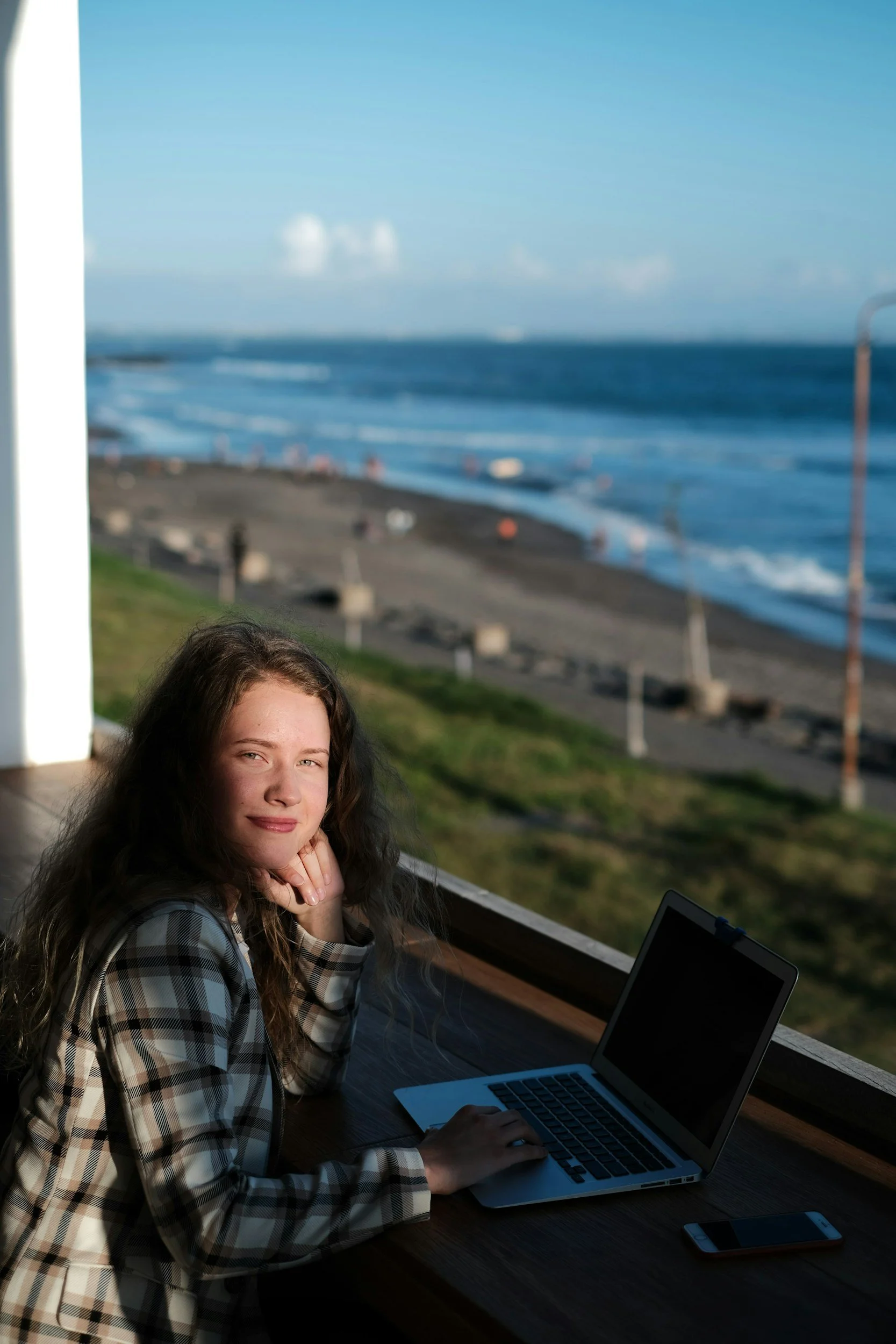




Living in Spain without Spanish is possible, but it’s rarely comfortable. This is the honest language guide no one gives you, what actually matters, what doesn’t, and how people really learn to belong.